The summary contains selected important news published by CNX Software
New Chips and Development Boards
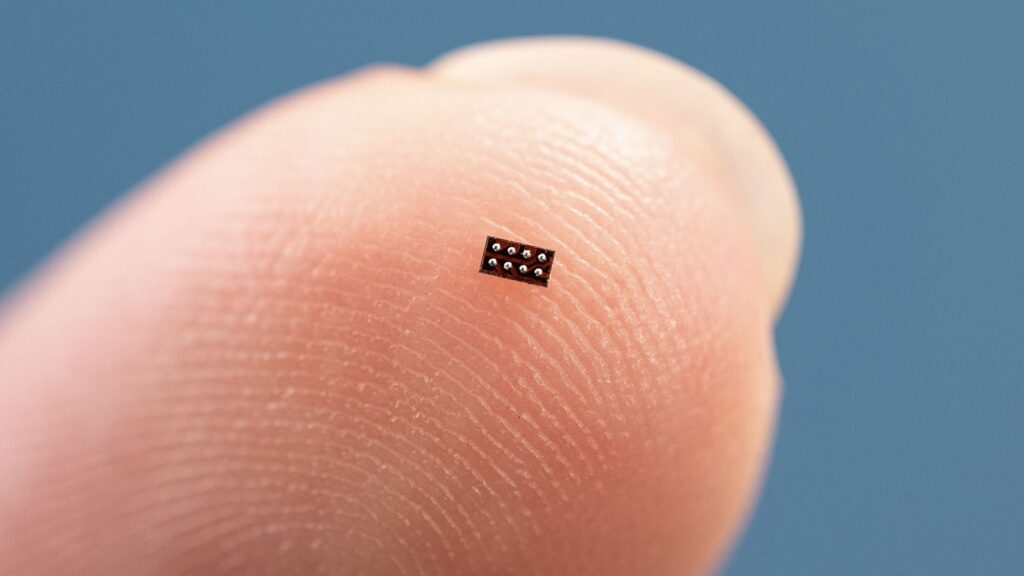
A new chip from the Chinese company WCH, the CH570/CH572, was announced at a price of 10 cents, featuring USB in both Host and Device modes, and the CH572 also includes BLE. Among small-sized new chips, the BG29 microcontroller from Silicon Labs stands out with dimensions of 2.8 × 2.6 mm, featuring BLE and a Cortex-M33 processor. The smallest microcontroller ever announced is TI’s MSPM0C1104, with dimensions of 0.861 × 1.6 mm and an embedded Arm Cortex-M0+ processor. More MCU manufacturers are targeting integrated controllers like the ESP32. For example, Renesas launched its first combo WiFi/BLE controller, the RA6W2, within the RA6 family.
The era of 8-bit microcontrollers is not over yet, as Microchip announced a new PIC16F microcontroller, the PIC16F17576, priced at 57 cents.
Among companies famous for BLE-enabled microcontrollers, Nordic Semiconductors announced the nRF54LM20A, the new addition to the nRF54L family, with 2 MB memory, a 128 MHz Arm Cortex-M33 processor, and 50% lower power consumption compared to the nRF52 family. Another announcement this year is the nRF54LV10A, which features ultra-low power consumption and large memory. It operates at 1.2V–1.7V, meaning it can run directly off a 1.5V battery; it is set to launch in 2026. Relatedly, Maxell announced its PSB2032. A 35 mAh all-solid-state battery built for harsh environments.
Ambiq announced the Apollo510B microcontroller, using a Cortex-M55 processor designed for machine learning with Arm Helium to accelerate mathematical operations. The microcontroller also includes Bluetooth and advanced features such as a GPU. Notably, Ambiq also announced the Apollo330 this year, which also features a Cortex-M55 processor focused on machine learning with Arm Helium.
Notable Development Boards
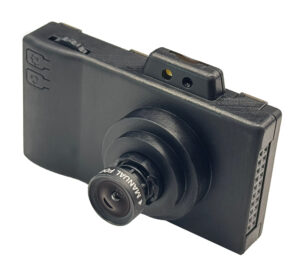
Espressive released a computer vision development board, the ESP32-P4-EYE, featuring the ESP32-P4 microcontroller launched last year, which is the first microcontroller without an internal radio section. The board includes an ESP32-C6-MINI-1U for wireless connectivity and comes equipped with a MIPI-CSI camera, screen, and microphone, resembling a camera in appearance.
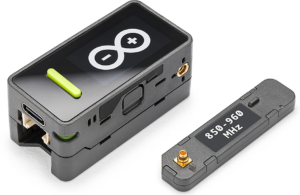
Arduino, following its major acquisition by Qualcomm and the launch of Arduino UNO Q, continued releasing development boards beyond the traditional old designs. They introduced the Nesso N1 in collaboration with M5Stack, clearly reflecting M5Stack’s design influence. Despite its small size, it includes Wi-Fi and Bluetooth via the ESP32-C6 chip, LoRa connectivity, an IMU sensor, a screen, and other features.
Redpitaya released a new version called STEMlab 125-14 PRO Gen 2 tool after years since the first version. Redpitaya is a portable tool including a signal generator, logic analyzer, and high-spec oscilloscope. Seeed Studio released the XIAO Debug Mate, allowing programmers to debug XIAO series modules, which previously required direct soldering to SWD pins. This tool adds DAPLink support along with wireless communication and power monitoring capabilities.
Miscellaneous News
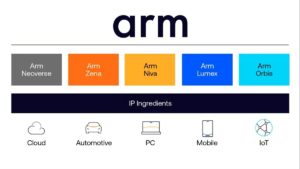
KiCAD version 9 was released early in the year, with many new features and bug fixes. The Bluetooth SIG released versions Bluetooth 6.1 and 6.2, announcing that they will release two versions per year. ARM announced new naming conventions for its processors, indicating a potential end to the previous Cortex-based naming system.
On another front, as in software, reliance on AI in embedded systems is increasing. Analog Devices released a Visual Studio Code extension to support embedded machine learning for its MAX32690 microcontroller and MAX78002 accelerator chip. Arduino announced integration of an AI agent trained on Arduino code and libraries in the Arduino Cloud Editor. Additionally, the Gemini 2.5 Flash language model was integrated into the Embedr Arduino IDE, providing AI-enhanced development for Arduino. Microchip released the AI-Powered Coding Assistant as a Visual Studio Code extension, trained on the company’s microcontroller families.
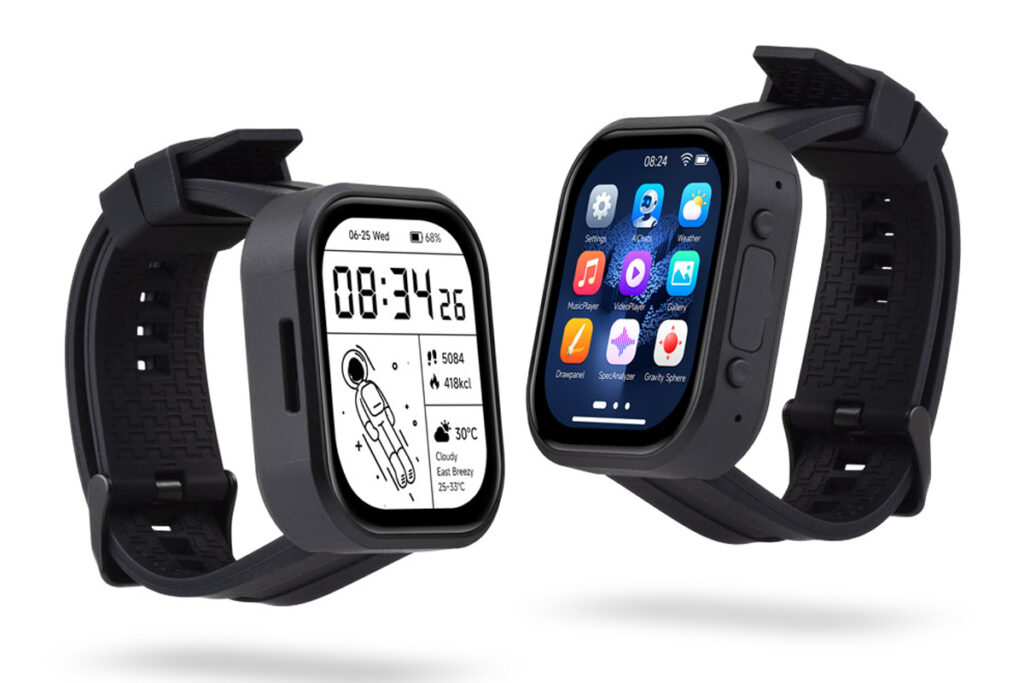
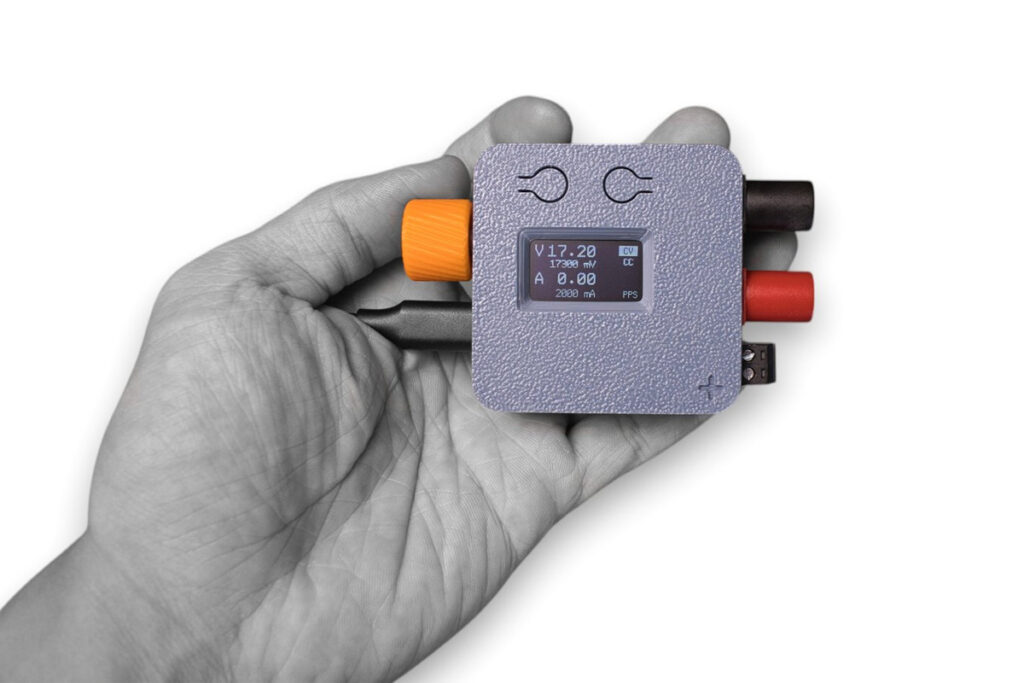
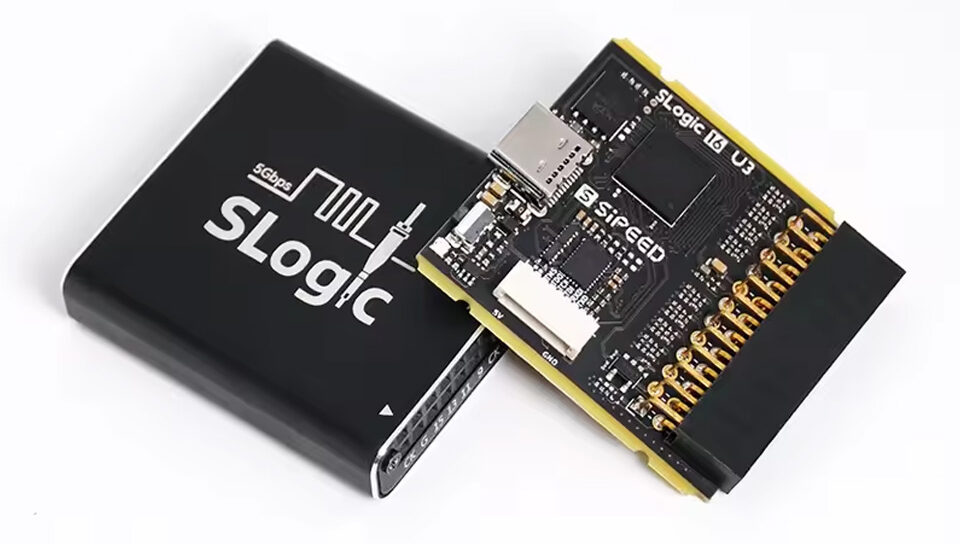
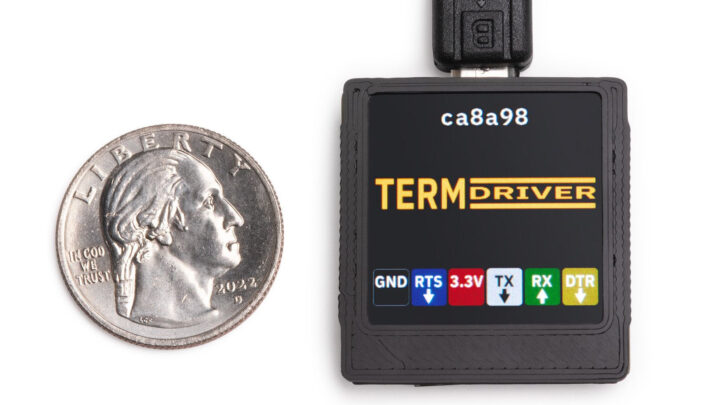
Some development products appeared in 2025